

Key Takeaways
- Assisted living provides support with daily tasks and routines.
- Skilled nursing communities provide round-the-clock medical care as needs change.
- Living spaces, dining, and daily routines look different in each option.
- Costs vary, and Medicare, Medicaid, and personal savings each play a role.
- Matching care to your current needs helps you choose with clarity.
Assisted Living vs. Skilled Nursing
Maybe you have noticed that laundry, cooking, and remembering medication take more energy than they used to. Or perhaps you are helping a loved one who needs more support than family can offer alone. These moments raise a common question about which type of senior living community is the best fit.
Assisted living offers everyday help while supporting your independence, while skilled nursing communities provide round-the-clock medical care for people with serious or ongoing health conditions.
Services & Support You Can Expect
The daily help you receive is one of the clearest ways these 2 options differ. One centers on personal support, and the other centers on medical treatment.
Assisted Living Everyday Help
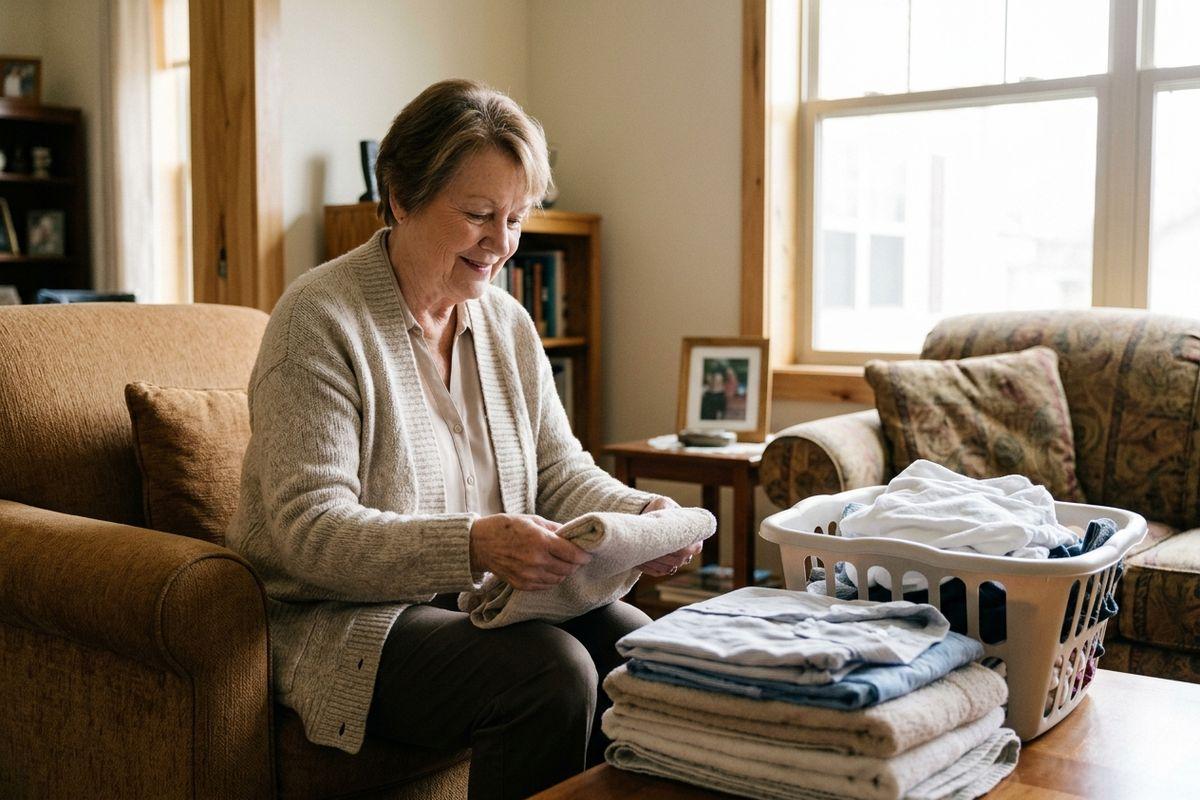
Assisted living can provide help with everyday tasks that have become more difficult over time. Support may include bathing, dressing and grooming, medication management, housekeeping, laundry, dining and transportation to appointments or errands.
Assisted living may also offer social activities and wellness programs as part of daily life. The level of support can vary based on individual needs, with staff helping with tasks that are more difficult to manage independently.
Skilled Nursing Medical Care
Skilled nursing is designed for people who need ongoing medical care and monitoring throughout the day or night. Care is provided by licensed nurses and other trained professionals, with services based on each person’s health needs.
Care may include nursing services, physical, occupational or speech therapy, support for complex or ongoing health conditions and daily routines built around medical needs. Compared with assisted living, skilled nursing generally involves a higher level of medical care and a greater focus on managing health conditions and recovery.
Living Spaces & Daily Life
Assisted living often includes apartment-style living spaces, such as studios or one-bedroom layouts. These may include a kitchenette, space for personal furniture and room for visitors. Some communities allow small pets, while dining options vary by community.
Skilled nursing settings tend to have a more clinical layout, with private or shared rooms designed to support medical care and staff access. Meals may follow specific dietary plans, and daily schedules are often structured around care needs.

Understanding Care Costs
Assisted living is generally billed monthly, with costs varying based on factors such as apartment size and the amount of support needed. A studio may cost less than a one-bedroom, while additional care can increase the monthly cost. Skilled nursing often costs more because it includes ongoing skilled care and medical services.
Families may use different sources to help cover these costs, including personal savings, retirement income and long-term care insurance. Depending on eligibility, Veterans benefits or Medicaid may also help with some expenses.
What Medicare & Medicaid Cover
Knowing what public programs cover can help you plan with fewer surprises. The 2 programs work differently.
Medicare skips most long-term care. It may cover short stays for recovery after a hospital visit, but it does not pay for ongoing help with daily tasks or extended skilled nursing stays. Medicaid, on the other hand, can help lower-income residents cover long-term care costs, though rules vary by state.
Before you commit, ask a few direct questions.
- What does the monthly fee include, and what costs extra?
- How and when might fees increase?
- Which programs or benefits does the community accept?
How to Choose the Right Option for You
A helpful place to start is by looking at your current needs and the tasks that have become more difficult. Considering the support you need today can help you compare care options based on your day-to-day routine.
Assisted living may be an option if you manage most daily activities but could use help with certain tasks. It may also be worth considering if you would benefit from nearby social activities, shared meals, housekeeping, maintenance or support when needed.
For couples with different care needs, continuing care communities may offer different levels of support in the same location, allowing families to remain close while receiving care suited to their individual needs.
Taking the Next Step in Care
Choosing between assisted living and skilled nursing is a personal decision, and understanding how different care settings compare can make the process easier. Consider your loved one’s current needs, daily routines and the level of support that may be helpful.
At Somerby St. Vincent’s One Nineteen in Birmingham, residents can choose from independent living, assisted living, and memory care based on their individual needs. Schedule a visit to learn more about the community and its care options.