
Key Takeaways
- Falls often happen because of vision shifts, medication side effects, and hazards around the home.
- Assisted living residents enjoy safe layouts with grab bars, good lighting, and clutter-free walkways.
- Regular fall risk reviews help the team adjust support as needs change.
- Strength and balance classes, proper mobility aids, and slip-resistant shoes help you stay steady.
- Families play a role by sharing history, choosing safe room items, and encouraging activity.
How Assisted Living Supports Fall Prevention
You may have noticed that getting up from a chair takes a little more effort than it used to, or that a dim hallway feels trickier to walk through. These changes are a normal part of aging, and they can raise the chance of a fall. A fall can shake your sense of independence, so it makes sense to think ahead.
Assisted living helps prevent falls by combining thoughtfully designed spaces, regular safety reviews, and steady support that respects the way you like to live your day.
Why Fall Risk Increases with Age
Several small factors can add up over time and increase the chance of a fall. Changes in balance, mobility, vision, medications, or your surroundings can all play a role. When you understand what may raise your risk, you can take practical steps to make your daily routine and living space safer.
Falls can happen for many reasons, including muscle weakness, balance or vision changes, medication side effects, and hazards around the home, such as clutter, poor lighting, or slippery floors. Small changes to your home and daily routine can help reduce these risks.
How Assisted Living Lowers Fall Risk
Assisted living communities include safety features that support everyday movement. Bright lighting, clear walkways, and accessible spaces can help residents move around more comfortably while reducing common hazards that may increase the risk of falls.
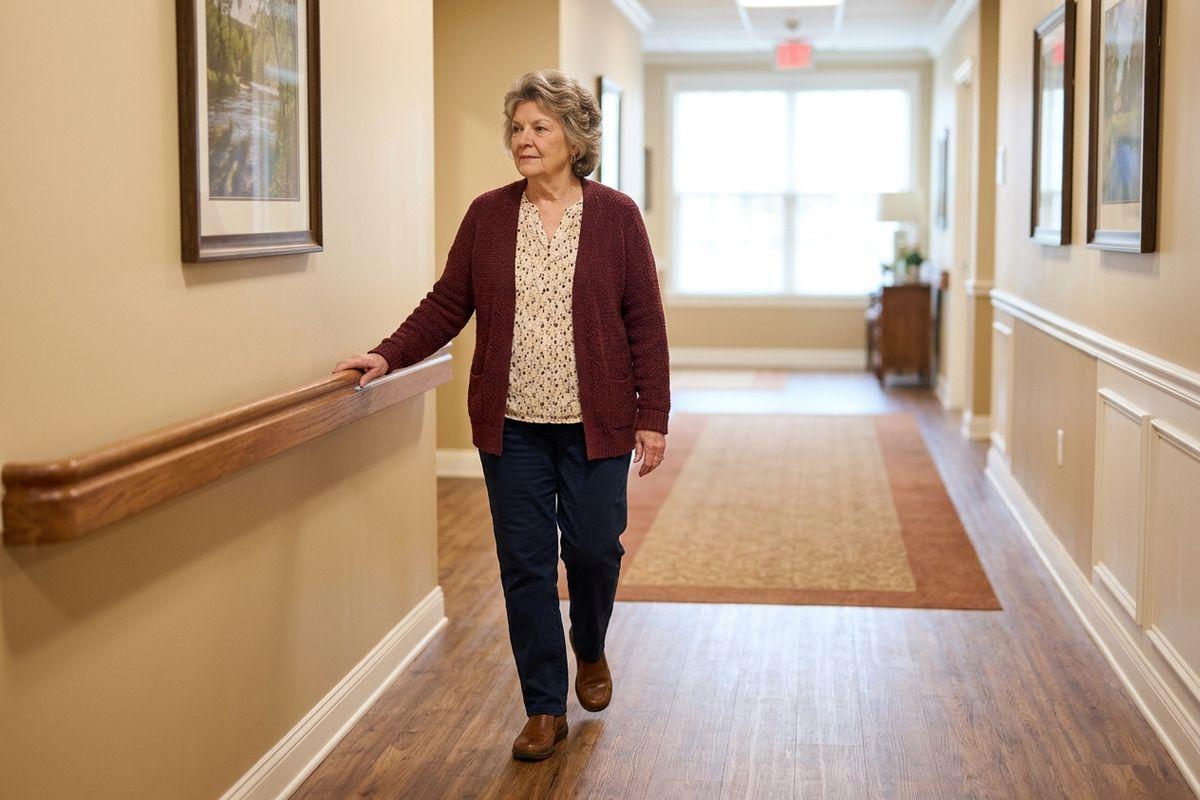
Grab bars, hallway railings, clutter-free spaces, regular check-ins, and mobility support can also help reduce the risk of falls. These safety features are woven into the community’s design and daily routines.
A Safer Living Space
Your living space matters just as much as the shared areas. Small touches can make a big difference in how steady you feel each day.
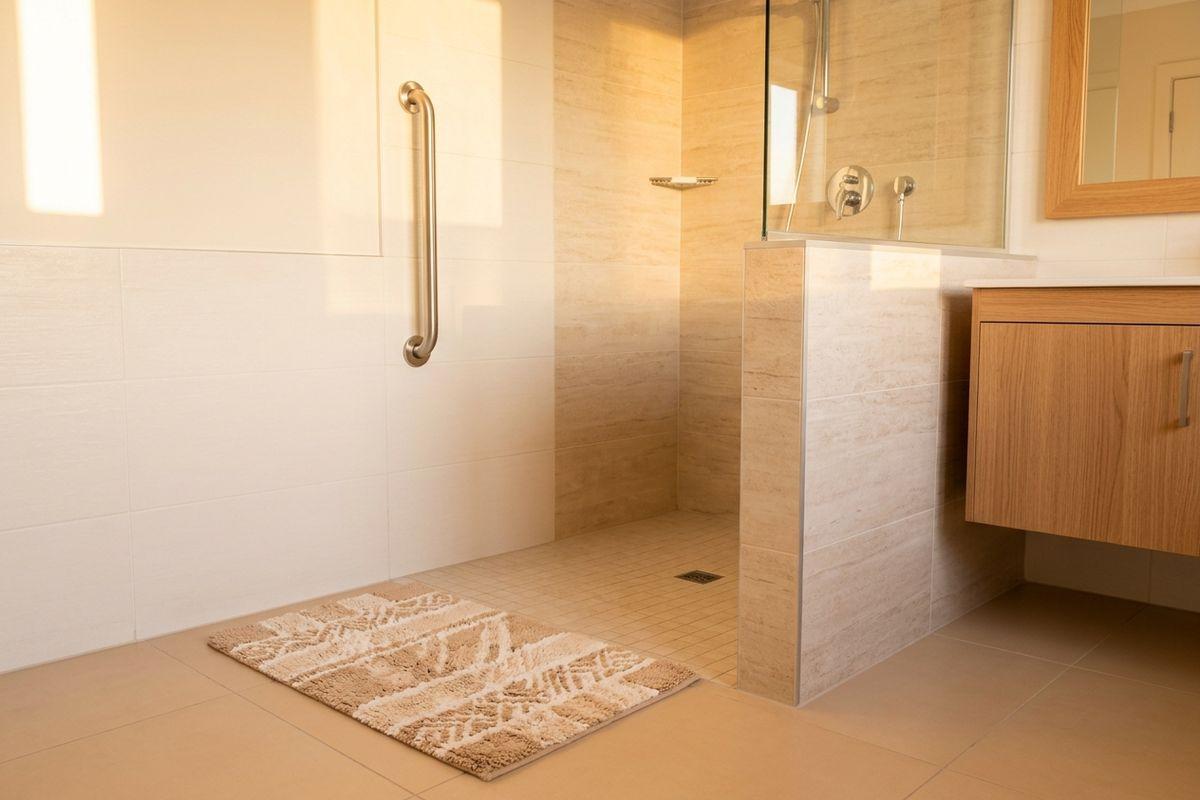
Thoughtful details often include elevated toilet seats and textured bath mats that give you a firmer footing. You also won’t find loose throw rugs or crowded furniture blocking your path. That open, predictable layout means fewer surprises when you walk from your bed to the bathroom at night.
Personal Fall Risk Reviews
Everyone moves through life differently, so a one-size-fits-all approach doesn’t work. That’s why staff can review your fall risk at move-in and again whenever your health changes.
These reviews look at things like your medications and how you move around each day. If something shifts, the team can adjust your support so it still fits your needs without affecting your lifestyle. This keeps small concerns from turning into bigger ones.
Ways to Stay Steady & Active
Staying active can help support strength, balance, and mobility. Exercise classes, daily walks, and simple movements can help you stay steady. Wearing well-fitting shoes with slip-resistant soles and using walkers or canes properly can also provide added support when moving throughout the day.
A cane that’s the wrong height can throw off your stride rather than steady it. The same goes for loose slippers on a smooth floor. Getting these details right helps you feel more secure with every step in your daily routine.
How Families Can Help
If you’re supporting a loved one, your knowledge of their routines, preferences, and history can help the care team better understand their needs. Share any previous falls or mobility concerns, and consider choosing sturdy furniture and other personal items that are easy to use safely. Encouraging regular movement can also help support strength and balance.
Open communication can make the transition feel more comfortable for everyone. Check in with your loved one about how they’re feeling, and keep the care team informed as their needs or routines change. Working together helps create a supportive environment while respecting your loved one’s independence, preferences, and comfort as they settle into their new home.
How to Balance Independence & Safety
Independence and safety don’t have to compete. Wellness programs may help residents maintain strength, balance, and mobility, while opportunities for social connection can encourage regular movement and engagement. Together, these supports can help residents continue their daily routines with greater confidence.
At Somerby St. Vincent’s One Nineteen in Birmingham, assisted living provides access to daily support while respecting each resident’s independence and personal choices. Schedule a tour to learn more about the community’s approach to assisted living and fall prevention.