
Key Takeaways
- Modern memory care communities use technology like motion sensors and smart flooring to monitor residents safely.
- Environmental design features include color-coded pathways and specialized lighting to reduce confusion.
- Staff training focuses on communication techniques and person-centered care approaches.
- Safety features should support daily living while maintaining dignity and independence.
Safety Features in Today’s Memory Care Communities
When you’re exploring Somerby St. Vincent’s One Nineteen or other memory care options for a loved one, you might expect to hear about basic safety measures like secure doors and staff supervision. Modern memory care communities also offer thoughtful safety features that go beyond traditional approaches, using helpful technology and thoughtful design to create environments that protect residents while preserving their dignity.
These features work quietly in the background, providing peace of mind for families while allowing residents to maintain their sense of independence and comfort in their daily routines.
Technology That Helps Keep Residents Safe
Motion sensors now track movement patterns throughout the day without feeling intrusive or restrictive. These systems learn each resident’s normal routines and can alert staff when something seems unusual, like someone not getting up at their typical time or wandering during the night.
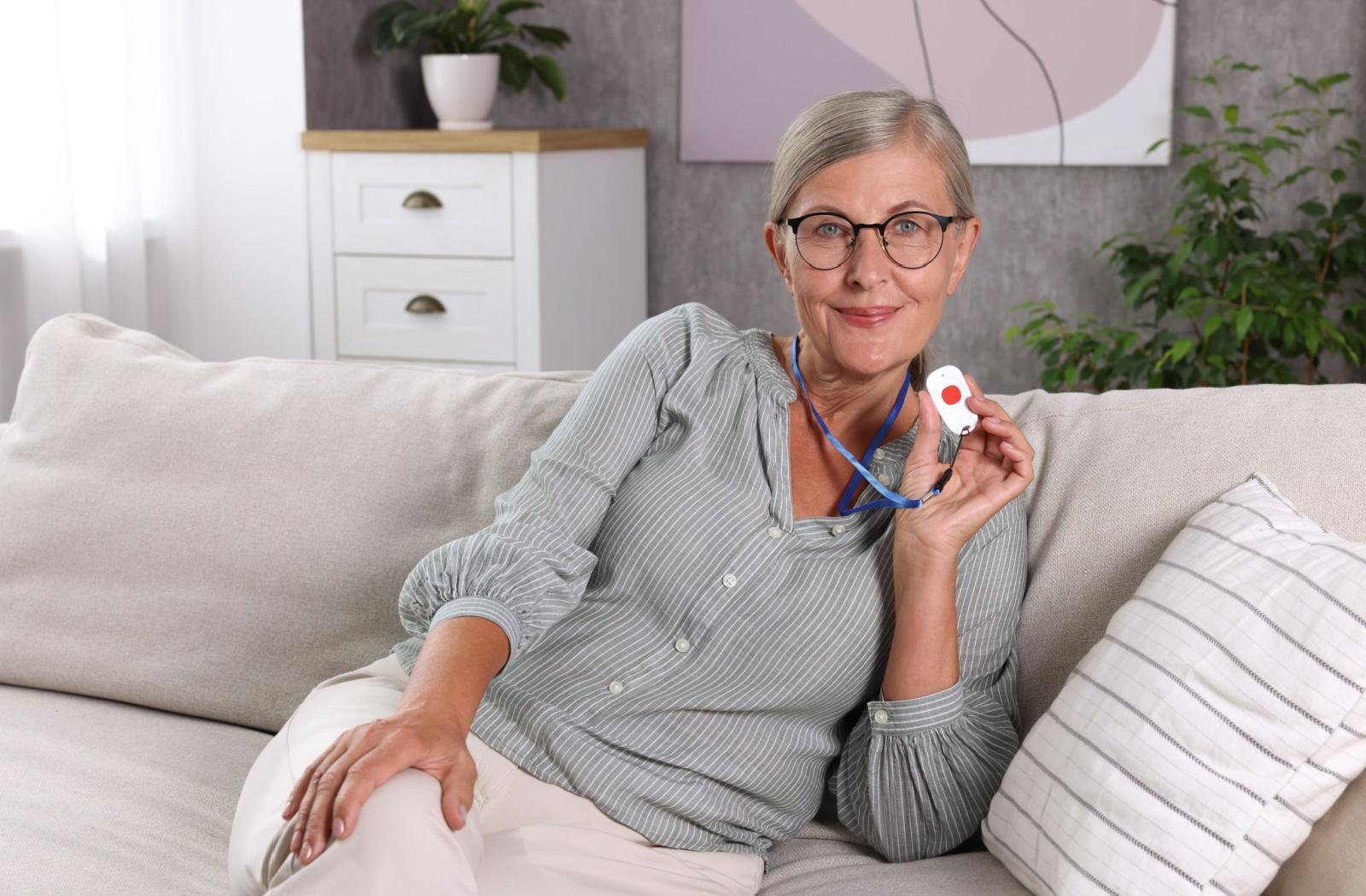
Smart flooring systems detect when someone falls and immediately notify staff for rapid response. Wearable devices monitor both location and health indicators, providing continuous oversight without constant direct supervision. Door sensors prevent unsafe wandering while still allowing residents to move freely within secure areas.
These technologies work together to create multiple layers of protection that adapt to each person’s specific needs and behaviors.
Environmental Design Features for Peace of Mind
Color-coded pathways help residents navigate their surroundings more easily, reducing anxiety and confusion when moving between different areas. Memory boxes outside rooms contain personal photos and meaningful objects that help residents identify their own space.
Secure outdoor spaces provide safe opportunities for fresh air and exercise, designed specifically to accommodate wandering behaviors in a protected environment. Specialized lighting reduces shadows and glare that can cause confusion or agitation throughout the day.
Common areas feature rounded corners and soft surfaces to prevent injuries from falls or bumps. These design elements create a homelike atmosphere while prioritizing safety in every detail.
Staff Training and Response Systems You Can Count On
Staff members receive specialized training in communication techniques tailored to different stages of memory loss. This training helps them connect with residents effectively while reducing frustration and behavioral challenges.
Communities provide 24-hour monitoring that feels supportive rather than intrusive. Rapid response protocols for medical emergencies mean help arrives quickly when needed. Person-centered care approaches focus on understanding each resident’s background, preferences, and triggers to minimize anxiety and confusion.
Safety Features That Support Daily Living
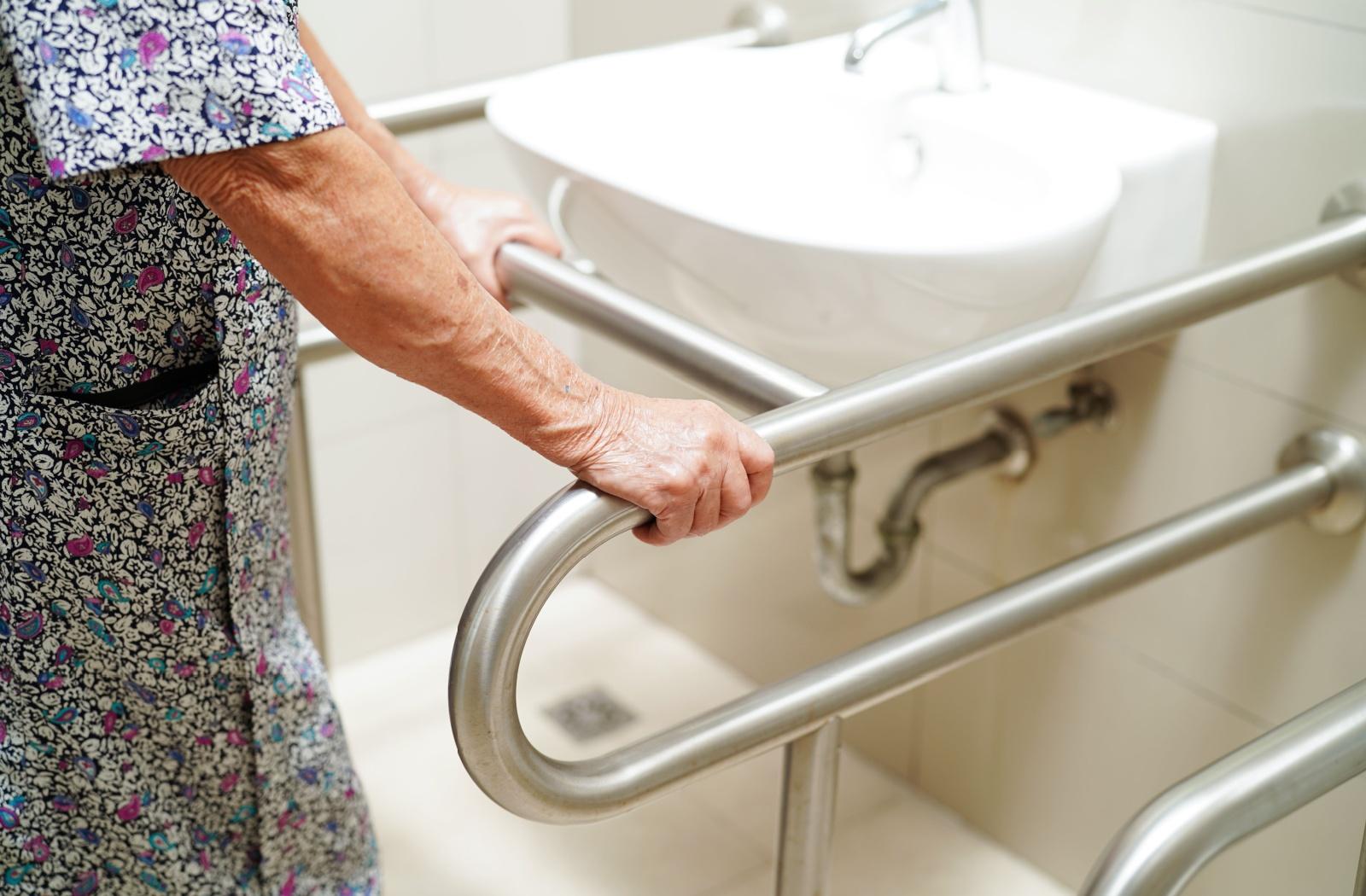
Bathroom grab bars and non-slip surfaces prevent falls in areas where residents spend private time. Medication management systems use helpful tracking to prevent dangerous errors or missed doses.
Kitchen safety controls in assisted living areas allow residents to participate in familiar activities while preventing accidents. Temperature controls throughout the community prevent scalding from hot water or heating systems. Secure storage keeps personal belongings safe while maintaining easy access for residents.
These features integrate seamlessly into daily routines, supporting independence while providing necessary protection.
Finding Memory Care That Balances Safety and Independence
Safety features should support daily life rather than limit it, creating an environment where residents can maintain their routines and relationships comfortably. Communities like Somerby St. Vincent’s One Nineteen focus on comprehensive safety approaches that protect residents while honoring their individual needs and preferences.
When you’re considering memory care options in Birmingham, look for communities that demonstrate how their safety features work together to create a supportive environment. Schedule a visit to experience how these features feel in practice, and don’t hesitate to ask detailed questions about specific safety protocols and staff training programs.